October 8, 2026
Southern Restaurant Pittsburgh, PA: Authentic Dining for Every Appetite
By @donovantmlz306

Pittsburgh has never been a one-note food city. Its dining culture grew from steel-town practicality, immigrant traditions, neighborhood loyalties, and a serious appreciation for comfort food that earns its place on the plate. That is part of why Southern cooking feels so at home here. A great southern restaurant in Pittsburgh, PA does not have to mimic Charleston, Nashville, or New Orleans perfectly to feel authentic. It has to understand what Southern food is really about: patience, seasoning, hospitality, and the kind of meal that makes people slow down.
When people talk about Southern food casually, they often flatten it into a few familiar dishes, fried chicken, mac and cheese, biscuits, maybe shrimp and grits. Those staples matter, but they only tell part of the story. Southern cooking is regional, deeply personal, and shaped by Black culinary traditions, Appalachian influences, coastal ingredients, church suppers, smokehouses, and generations of cooks who learned by taste rather than by written formula. In Pittsburgh, the best Southern dining experiences honor that depth while adapting to local expectations and seasonal availability.
That balance is harder than it looks. Plenty of places can fry something and call it Southern. Far fewer can build a menu where every component feels considered, where collard greens have body and brightness, where cornbread is not an afterthought, and where the service carries the warmth people associate with the cuisine. If you are looking for a meal that satisfies a broad group, from committed comfort-food fans to lighter eaters and first-time guests, it helps to know what separates a genuinely strong Southern kitchen from a themed one.
What authenticity really means in Southern dining
Authenticity in Southern food is not a stage prop. It is not mason jars, reclaimed wood, or a chalkboard menu written in exaggerated slang. It starts in the kitchen. You can usually tell within a few bites whether the cooks understand proportion, restraint, and timing.
Take fried chicken, one of the most judged dishes in the category. Good fried chicken needs a seasoned crust that adheres properly, a juicy interior, and enough salt to wake everything up without drowning the meat. If the breading slides off, if the seasoning lives only on the surface, or if the oil tastes tired, the whole dish feels lazy. The same rule applies to shrimp and grits. Grits should have texture and flavor of their own, not serve as a bland paste under a sauce doing all the work.
A true southern restaurant in Pittsburgh, PA should also get the supporting cast right. This is where many places rise or fall. Sides are not filler in Southern cooking. Red beans, braised greens, black-eyed peas, candied yams, okra, dirty rice, potato salad, and corn pudding all carry history and technique. A kitchen that treats them seriously usually treats everything else seriously too.
There is also the matter of hospitality. Southern dining, at its best, creates ease. That does not mean forced friendliness or overexplaining every dish. It means staff who know the menu, make thoughtful suggestions, and understand that comfort food should feel welcoming rather than precious. You want a room where a solo diner, a family with children, and a couple out for date night can all feel equally at home.
Why Southern food works so well in Pittsburgh
Pittsburgh diners appreciate generous portions, long-cooked flavors, and menus that reward appetite. Those habits line up naturally with Southern cuisine. There is an overlap in values, even if the traditions come from different places. Meals built around smoked meats, beans, cornbread, stews, and fried staples speak to the same instinct that keeps old-school comfort food thriving here.
Climate plays a role too. For much of the year, Pittsburgh weather invites the kind of food that sticks with you. Gumbo, biscuits and gravy, hot chicken, catfish, brisket, and creamy grits make sense on cold evenings and gray weekends. Even in warmer months, Southern menus can pivot beautifully with lighter fare such as pimento cheese, fresh tomato salads, grilled fish, watermelon accents, or peach-forward desserts.
There is also a practical point. Southern food is unusually versatile for groups. One person may want a heavy plate with ribs and mac and cheese. Another may prefer grilled chicken, greens, and a side salad. A child may just want chicken tenders and fries, while a vegetarian may be looking for fried green tomatoes, hoppin' John, or a vegetable plate built with some imagination. Few comfort-food traditions accommodate those differences as smoothly when the kitchen knows what it is doing.
The dishes that tell you whether a place is the real thing
Menus can look convincing on paper. Execution is what matters. If you are trying a southern restaurant in Pittsburgh, PA for the first time, a few categories reveal the kitchen quickly.
Biscuits are one of the clearest signals. A proper biscuit should break open with a tender interior, not crumble into dust or sit on the table like a hockey puck. It should taste buttery, but not greasy. Served plain, it should still be worth eating. If it needs a flood of gravy to become interesting, something went wrong upstream.
Greens are another giveaway. Well-made collard greens or mustard greens should be savory and layered, sometimes smoky, sometimes vinegary, but always alive. Overcooked greens with a flat, murky taste tell you the kitchen is going through motions. Strong greens show confidence.
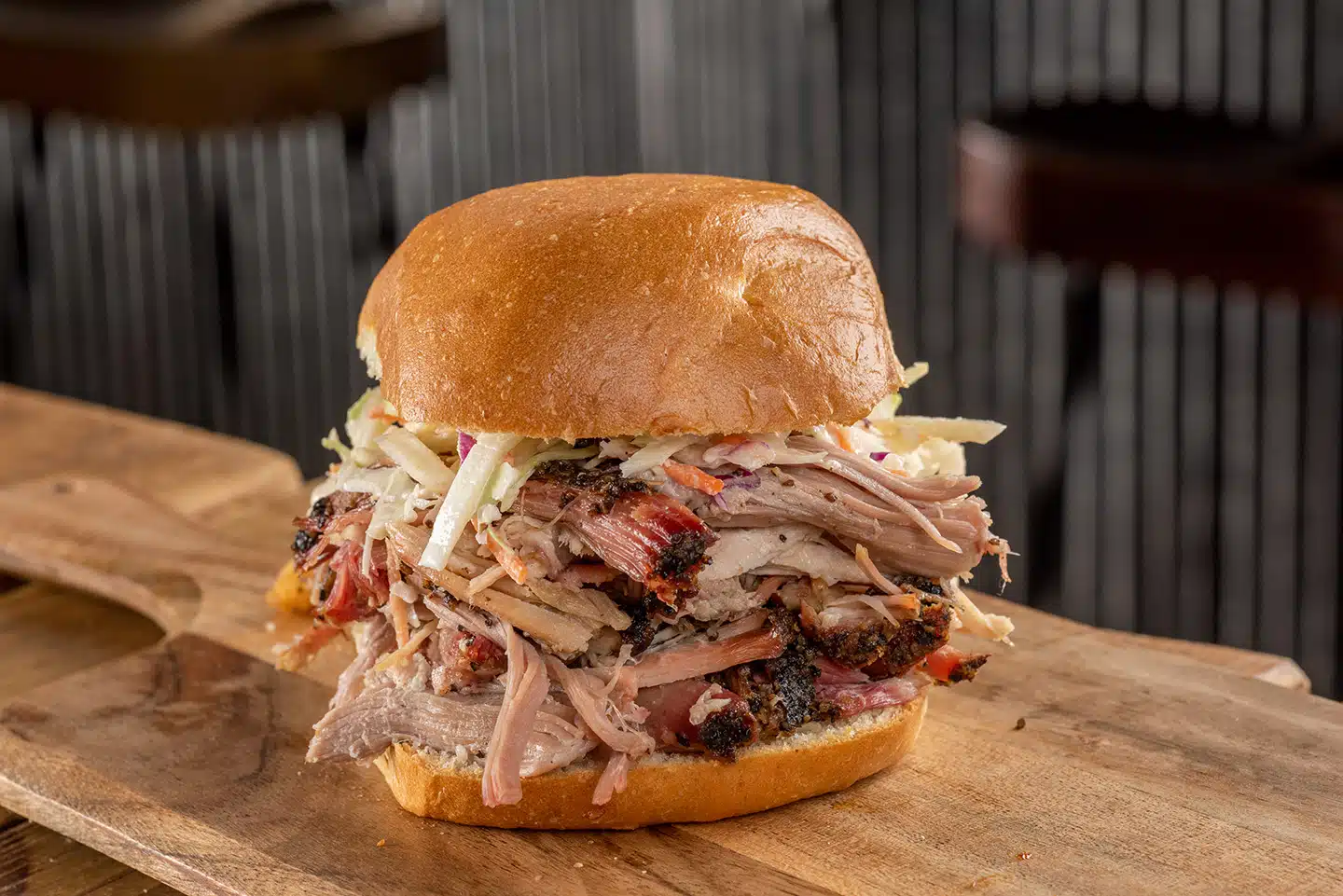
Then there is barbecue, though this category gets complicated fast. Southern food and barbecue overlap, but they are not interchangeable. A restaurant can serve excellent Southern dishes without operating as a full barbecue house. Still, if smoked meats appear on the menu, they should reflect actual care, correct bark, moisture retention, and a sensible relationship between seasoning and sauce. Sauce should complement the meat, not conceal it.
Dessert deserves more attention than it gets. Banana pudding, peach cobbler, bread pudding, chess pie, or pecan pie can say a lot about a kitchen’s discipline. Southern desserts are often simple in structure, which leaves no place to hide. A cobbler with a soggy topping or a banana pudding made with lifeless texture lands flat. A good one finishes the meal with generosity rather than heaviness.
Dining for every appetite means more than large portions
The phrase “for every appetite” should never be reduced to size alone. Appetite can mean hunger level, dietary preference, spice tolerance, curiosity, budget, or occasion. The strongest Southern restaurants understand this and design menus with range.
A smart menu offers comfort without monotony. It should have a few rich, celebratory plates, but also dishes that allow guests to calibrate their meal. Maybe that means choosing between fried and grilled proteins. Maybe it means a lunch plate that pairs smaller portions with two substantial sides. Maybe it means a seafood option that is not drowned in cream or a salad that tastes integrated rather than obligatory.
For families and mixed groups, flexibility matters. Southern https://raymondexzn446.brightpathdigest.com/posts/southern-restaurant-pittsburgh-pa-signature-flavors-you-ll-love food has a natural advantage here because many dishes can be shared or customized. Biscuits for the table, a few appetizers, and side dishes passed around can turn dinner into a social event instead of a set of isolated orders. Restaurants that encourage that rhythm usually create a better experience than places that push every guest toward one oversized entrée.
There is also the issue of spice. Southern food can be boldly seasoned without being punishingly hot. That distinction matters in a city where diners often span generations at one table. A reliable restaurant makes heat level legible. Nashville-style hot chicken, Cajun accents, pepper sauces, and Creole dishes can all work beautifully, but guests should know whether they are signing up for warmth, a serious burn, or something in between.
What to expect from the atmosphere
People tend to focus on the food first, but atmosphere shapes whether a restaurant becomes part of someone’s regular rotation. Southern dining should feel comfortable without drifting into caricature. The room does not have to be rustic, but it should feel lived in and intentional.
In Pittsburgh, you may find Southern restaurants in polished urban spaces, repurposed neighborhood storefronts, or casual counter-service settings. Each model can work. What matters is coherence. If the room is upscale, the food still needs soul. If the room is casual, the kitchen still needs discipline. A polished cocktail list and good lighting can coexist with cast-iron cornbread. There is no rule saying Southern food must be served under string lights with bluegrass in the background.
Noise level matters more than many owners realize. Comfort food invites conversation. If guests cannot hear each other over a packed room and pounding playlist, that warm hospitality starts to fray. On the other hand, a room with some hum and movement can make fried chicken and bourbon feel lively in the right way. The sweet spot is energy without chaos.
Service style is equally important. Southern restaurants do best when servers read the table well. Some diners want guidance and pairings. Others know exactly what they came for and just want it hot. The best staff can do both without sounding scripted. They know which sides run rich, which entrées carry heat, and which desserts are worth saving room for.
The menu details that separate solid from memorable
A respectable Southern meal satisfies you in the moment. A memorable one shows thought in every layer. This is where small decisions matter.
Seasoning has to be cumulative. If the chicken is well seasoned but the mashed potatoes are blank, the plate feels unfinished. Acidity must also show up somewhere. Pickles, hot sauce, vinegar in the greens, lemon on seafood, or brightness in slaw can keep a heavy meal from becoming tiring after four bites. Texture matters just as much. Crispy, creamy, tender, charred, and fresh elements should play off one another.
Portion size requires judgment too. Southern cooking should feel generous, but not careless. There is a difference between abundance and overload. A huge plate can impress at first glance, yet still leave the meal feeling one-dimensional if everything is beige, mushy, or too rich. Balanced abundance is harder and far more satisfying.
Beverages deserve a word here. Sweet tea, house lemonade, and regional cocktails can elevate the experience, but only if they are handled with the same care as the food. Sweet tea should taste brewed, not syrupy. Bourbon drinks should suit the menu rather than perform for social media. Even coffee matters if dessert is part of the plan.
How to choose the right Southern restaurant for the occasion
Not every diner wants the same version of Southern food, and not every restaurant should chase every audience. Choosing well starts with being honest about what kind of meal you want.
If you are planning a casual weeknight dinner, speed and consistency may matter most. In that setting, a shorter menu with dependable execution often beats an ambitious spread. If you are celebrating something, atmosphere, cocktails, and table service may move higher on the list. For brunch, biscuits, chicken and waffles, shrimp and grits, and strong coffee become litmus tests. For takeout, fried items and sauced dishes need packaging that protects texture, which some restaurants handle far better than others.
Here are a few signs that a place is worth your time:
- The sides sound as thoughtful as the entrées.
- The menu explains spice or style clearly where needed.
- Staff can describe dishes beyond reciting names.
- Seasonal specials feel connected to the cuisine, not random.
- Desserts are made to order or handled with visible care.
That short checklist helps, but trust your eyes and ears too. A dining room where regulars come back for specific dishes says a lot. So does a kitchen that sends out plates consistently hot, crisp where they should be crisp, and composed with some pride.
Southern food and dietary needs, where restaurants often stumble
Many people assume Southern dining is difficult for anyone with dietary restrictions. Sometimes that is true, especially in traditional kitchens where pork, butter, cream, or flour appear everywhere. But a capable restaurant can still offer real choices without diluting its identity.
Vegetarian dining is often the first challenge. Too many places offer one token salad or a vegetable plate built from sides cooked with meat. Better restaurants think harder than that. They create dishes where beans, grains, seasonal vegetables, and robust seasoning carry the meal. The key is transparency. Guests should know whether the greens contain ham hock, whether the rice was cooked in stock, or whether the cornbread includes dairy.
Gluten sensitivity can be another friction point, especially in fried-heavy kitchens. Some dishes are naturally adaptable, but only if the staff understands cross-contact and communicates honestly. The same goes for dairy restrictions. Grits, mashed potatoes, casseroles, and biscuits often contain more butter or cream than diners expect.
The strongest restaurants do not overpromise. They guide rather than guess. That kind of candor builds trust quickly, and it often leads to repeat business from diners who are used to feeling like an afterthought.
Price, value, and what guests should reasonably expect
Southern food can create confusion around pricing because the cuisine is rooted in humble ingredients, but excellent execution is labor-intensive. Braising greens, brining chicken, baking biscuits throughout service, smoking meats, making stocks, and building scratch desserts all take time and skill. So while diners may expect comfort food to be cheap, real quality often lands in a moderate price range.
Value should be judged by more than plate size. Consider ingredient quality, consistency, service, and the care behind preparation. A fried chicken plate that costs a bit more but arrives fresh, seasoned throughout, and paired with sides that feel intentional may be a better value than a cheaper oversized plate that tastes flat and greasy.
Lunch often offers the best entry point for first-time diners. You can test a kitchen without committing to the full dinner spend. Brunch can be another useful window, though it sometimes rewards indulgence over precision. If you really want to judge a Southern restaurant, dinner service tends to reveal more.
The emotional pull of a good Southern meal
People return to Southern restaurants for more than flavor. They come back because the food meets emotional needs that faster, sharper, trend-driven concepts often miss. A plate of smothered chicken, warm biscuits, or shrimp and grits can bring relief at the end of a hard week. Shared sides and desserts can turn an ordinary dinner into a family ritual. For newcomers to the cuisine, the appeal often starts with indulgence and stays because of the depth.
I have seen diners order cautiously the first time, then come back ready to explore the menu once they realize Southern food is broader than they assumed. Someone starts with fried chicken and mac and cheese, then returns for catfish, greens, red beans, or a seasonal special built around local produce. That is usually the mark of a good restaurant. It gives guests a way in, then rewards curiosity.
Pittsburgh is especially receptive to this kind of place because the city values substance. Diners here notice when a restaurant tries too hard to sell a concept without backing it up on the plate. They also notice when a place delivers honest, skillful food consistently. Southern restaurants that last tend to understand both realities.
Finding a southern restaurant in Pittsburgh, PA that you will revisit
A great southern restaurant in Pittsburgh, PA should leave you full, certainly, but that is the easy part. The harder part is leaving you already thinking about what you will order next time. Maybe it is the biscuit you should have added. Maybe it is the side of greens your friend let you taste. Maybe it is the banana pudding you skipped because you were too full and regretted later.
When evaluating where to dine, look beyond labels and marketing language. Read the menu carefully. Notice whether the kitchen seems invested in the fundamentals. Ask a question or two and see how the staff responds. Pay attention to the details that define care, hot food arriving hot, crisp food staying crisp, sides that matter, desserts that feel homemade even when they are polished.
Southern dining succeeds when it feels rooted rather than performative. In Pittsburgh, that means blending tradition with the city’s own practical sense of hospitality and appetite. The restaurants that get it right offer more than comfort. They offer craft, warmth, flexibility, and a meal that suits real life, whether you are dining solo, meeting friends, feeding family, or celebrating something worth sitting down for.
That is the standard to look for. Not just food that is rich or familiar, but food that carries history with confidence and serves it in a way that welcomes everyone to the table.
Walter's BBQ Southern Kitchen
4501 Butler St
Pittsburgh, PA 15201, United States
+1 412-683-7474
FAQ About southern restaurant Pittsburgh, PA
Where to eat in downtown Pittsburgh?
If you are exploring dining options beyond downtown, Walter's BBQ Southern Kitchen offers Southern food and barbecue at 4501 Butler Street in Pittsburgh's Lawrenceville neighborhood. It is outside downtown, so allow travel time when planning your visit.
What is a must eat in Pittsburgh?
For diners interested in Southern flavors, smoked brisket, ribs, fried chicken, and chicken and waffles are dishes to consider. Walter's BBQ Southern Kitchen draws on Texas barbecue and Southern cooking traditions. Check the current menu for the dishes available during your visit.
What are some of Pittsburgh's unique restaurants?
Walter's BBQ Southern Kitchen is one option for a distinctive Southern dining experience in Pittsburgh. Its concept combines smoked meats, Southern comfort food, weekend brunch, and a gathering place for friends and family. The restaurant is located on Butler Street in Lawrenceville.
❧